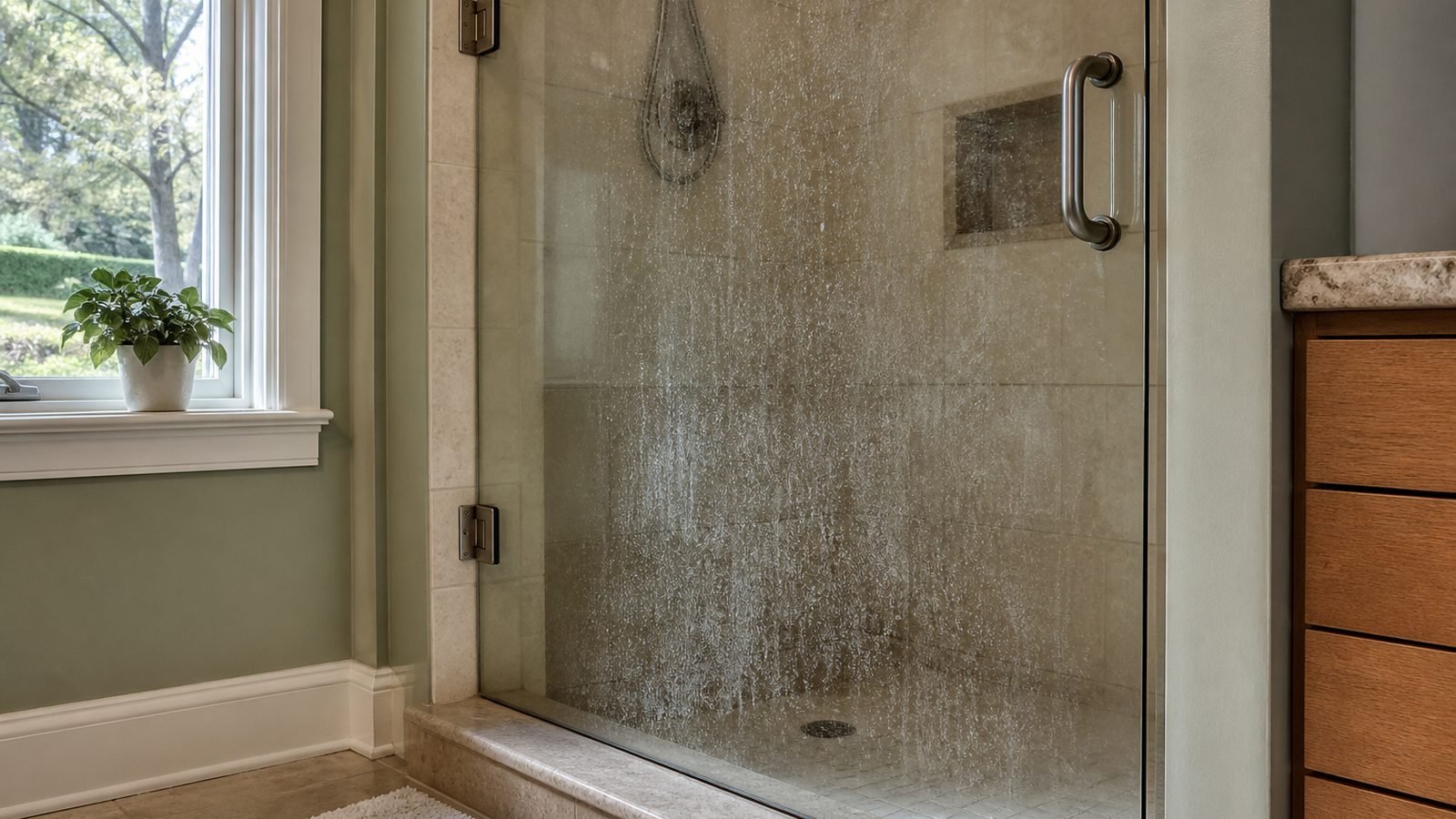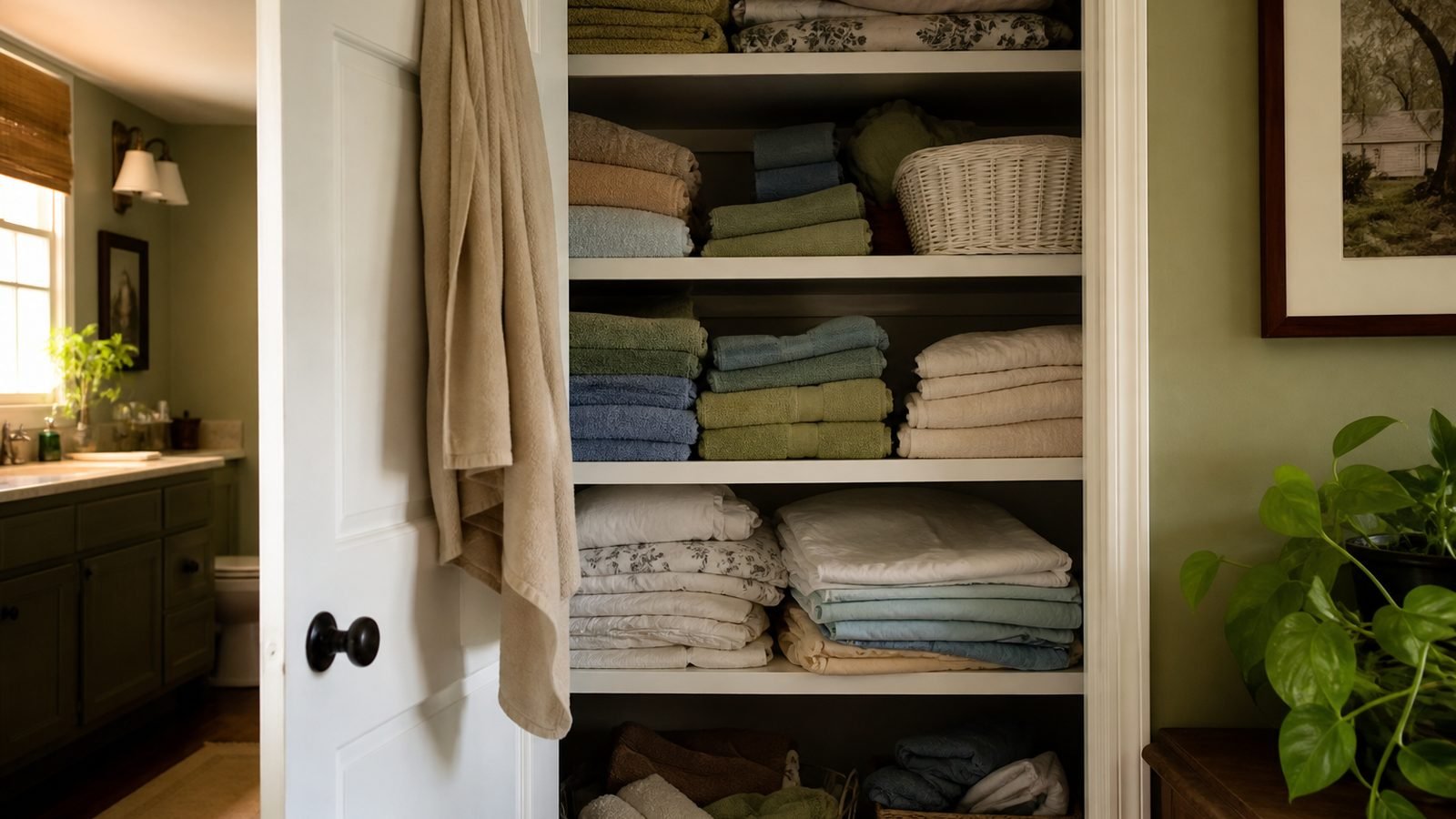
Summary: A musty smell is a reason to look for moisture, not a cue to add fragrance. Empty the closet, keep clean and suspect textiles separate, inspect nearby plumbing and cold exterior surfaces, and decide whether the problem is washable fabric, damp cardboard, dirty shelving, or wet building material. This guide gives compatible cleaning methods for common closet materials, clear drying criteria, renter limits, and stop conditions for leaks, deteriorated drywall, and visible growth that exceeds routine household cleaning.
Locate the moisture source before cleaning
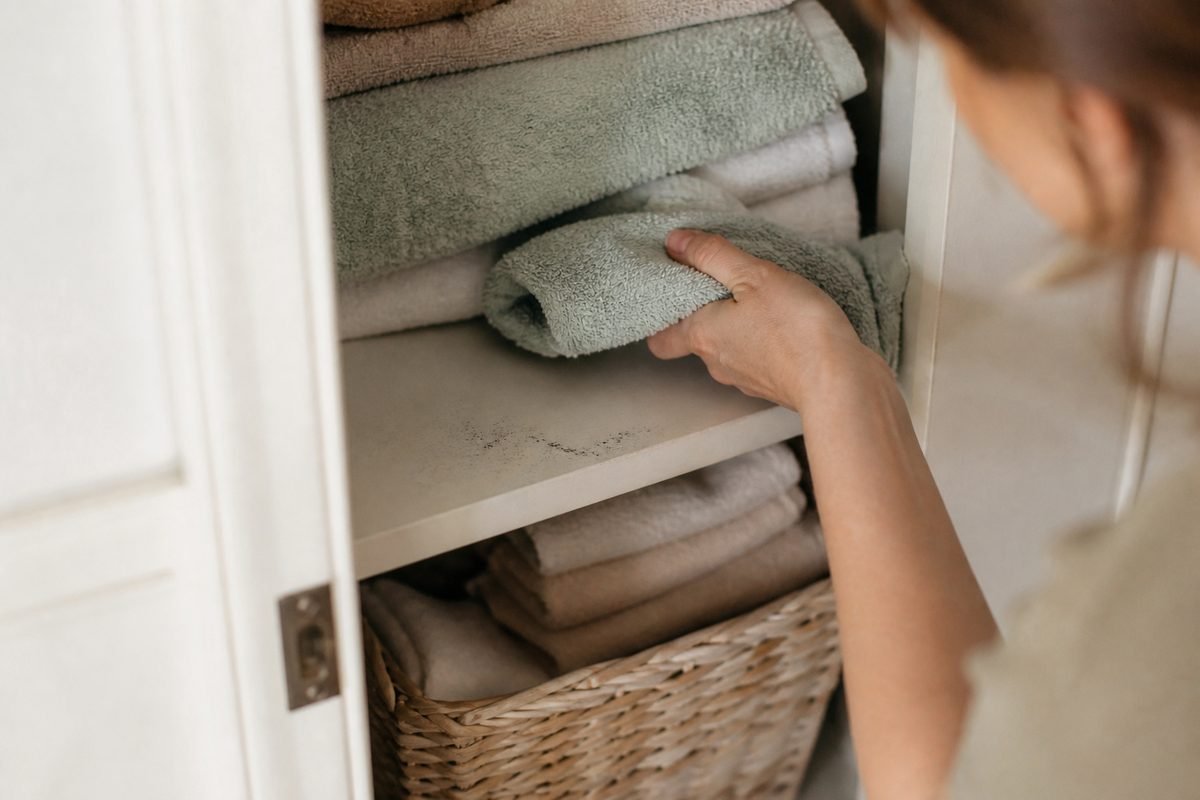
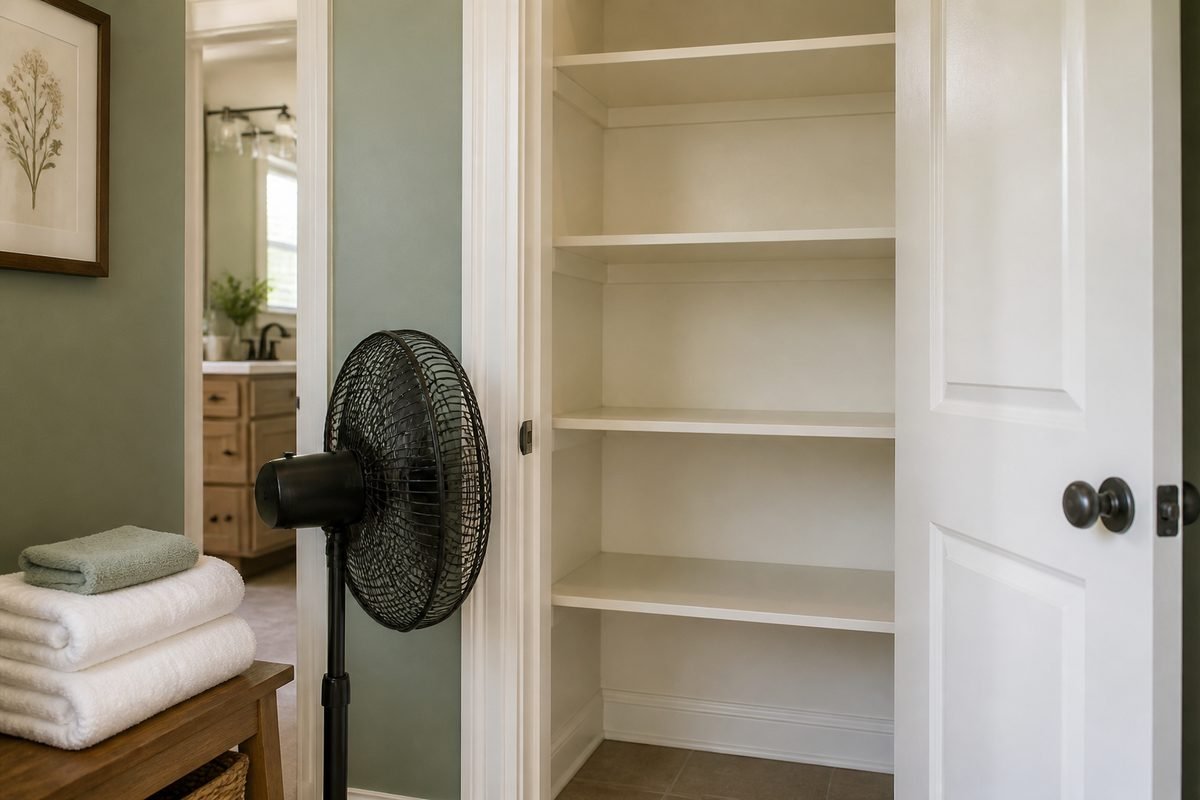
Mustiness can remain after a brief damp episode, but an odor that returns quickly usually means moisture, contaminated porous material, or both remain. Open the door and identify where the odor is strongest without putting your face into a closed space. Check the top, back corners, floor, shelf undersides, and every cardboard container with a flashlight. Wear gloves, and ventilate the room if outdoor conditions and building rules allow.
Check plumbing routes
A closet beside a bathroom, laundry, water heater, or vertical pipe chase may be affected by a slow supply, drain, shower, or condensate leak. Look for rings, swollen baseboard, rusted shelf hardware, peeling paint, wet carpet edge, or staining that is darker after fixture use. Do not open a wall or tighten hidden fittings blindly. Place no bucket inside a wall cavity. Photograph the condition and contact the owner or a plumber for active or recurring wetting.
Check roof and exterior-wall patterns
A top-corner stain that changes after rain may involve roofing, flashing, siding, or a pipe above. A lower exterior-wall corner that becomes damp during cold weather may be condensation where packed linens block room heat from a cold surface. Compare weather and timing. Rain-linked entry needs envelope repair; cold-surface condensation calls for humidity and airflow correction, but wet drywall still needs evaluation.
Check the contents themselves
Towels stored before fully drying, a damp beach bag, a cardboard box from a basement, or an old feather pillow can seed odor through a small closet. Smell items individually in a ventilated room. Feel the bottom and folds, but remember that material may smell stale without feeling wet. Isolate suspect items in washable bins or bags for transport; do not seal damp fabric for long-term storage.
Measure room conditions carefully
A digital hygrometer placed near, but not against, the closet can show whether room humidity stays elevated. Record temperature too, because relative humidity depends on it. A normal room reading does not exclude a cold, stagnant corner or a past leak. Avoid placing an electric moisture meter against walls unless you understand its limitations; metal fasteners and material differences can produce misleading readings.
Empty and sort without spreading odor
Clear a clean work surface outside the closet and make four groups: washable textiles, dry-clean-only or specialty items, hard washable objects, and porous containers or papers. Keep unaffected linens away from the suspect pile. If an item shows visible growth, avoid shaking it indoors; place it gently in a washable container while deciding whether its care label and condition permit cleaning.
- Photograph shelf positions, stains, and damaged items before moving them if an owner or insurer may need documentation.
- Remove top items first so debris does not fall onto clean contents below.
- Set cardboard boxes on a washable tray. Check bottoms and seams; cardboard can remain damp and transfer odor.
- Discard ordinary low-value cardboard that is damp, visibly affected, or structurally soft, following local waste rules.
- Move important papers, photographs, quilts, leather, and other valuable or fragile materials to a conservator or specialist rather than experimenting with household cleaners.
Vacuum only dry loose dust with an appropriate filtered vacuum and a soft attachment. Do not vacuum wet material or visible growth unless the equipment and procedure are specifically intended for it; an ordinary vacuum can disperse debris and become contaminated. On pre-1978 painted shelving or other suspect old coatings, avoid scraping or abrasion until lead-safe requirements are understood.
Wash textiles according to fiber and care label
Cotton and washable synthetic linens
Read each label for water temperature, bleach restrictions, and drying method. Wash a manageable load with the normal amount of a detergent suitable for the machine and fabric. Overfilling prevents rinsing, while excess detergent can leave residue that holds soil and fragrance. Use the warmest water the label allows, not automatically hot water. Complete the rinse and dry immediately rather than leaving the load in the washer.
Oxygen bleach may be allowed for some washable colorfast fabrics, while chlorine bleach can remove color, weaken fibers, damage elastane, and react dangerously with acids or ammonia. Never mix bleach with vinegar, ammonia, toilet cleaner, or other products. If a laundry additive is used, follow both the product and appliance directions. More chemical is not a substitute for removing the moisture source.
Wool, silk, down, and vintage textiles
Wool can felt, silk can spot or lose dye, and down must dry completely without scorching or clumping. Follow the sewn-in label and use a cleaner experienced with the specific material when instructions call for professional care. Vintage quilts may have unstable dyes or fragile stitching. Do not soak a valuable piece in vinegar or bleach based on a generic odor remedy.
Pillows, comforters, and thick items
Confirm that the washing machine has capacity for the item to move and rinse. A heavy wet comforter can overload a household machine. Use a large-capacity machine or professional service where the label permits. Dry until inner filling—not just the shell—is fully dry. Pause and redistribute filling as the label and dryer instructions allow. Scorching odor, excessive heat, or persistent damp clumps are reasons to stop.
When odor remains after washing
Recheck the care label, machine cleanliness, and drying. A second compatible wash may help if the first load was crowded, but repeated hot washing can damage fabric. If staining, growth, or odor remains deep in filling, replacement may be more practical for ordinary items. Do not return a questionable item to the closet simply because fragrance masks it while warm from the dryer.
Clean surfaces according to their material
Painted walls and shelves
First verify that the paint is intact. Mix a small amount of mild dishwashing liquid in warm water, dampen a white microfiber cloth, and wring it thoroughly. Test behind a shelf support or another inconspicuous area. Blot and wipe gently; do not saturate drywall or shelf seams. Follow with a separate barely damp cloth if the detergent requires rinsing, then dry with a clean towel.
Stop if paint color transfers, the surface becomes tacky, the sheen changes, paper facing lifts, or a stain bleeds through. Flat paint is less scrub-resistant than many satin or semi-gloss finishes. Old paint may contain lead, so sanding and aggressive scrubbing are inappropriate without lead-safe planning.
Finished solid wood
Use the finish maker’s cleaner when known. Otherwise, test a barely damp mild-soap cloth in a hidden area, wipe with the grain, and dry immediately. Water can enter open joints and unsealed end grain. Avoid soaking, steam, abrasive powders, and undiluted vinegar, which may dull or damage some finishes. If wood is swollen, blackened, delaminating, or soft, cleaning the face will not restore its structure.
Laminate and melamine-coated particleboard
The face usually tolerates a lightly damp mild-detergent wipe, but exposed particleboard edges and fastener holes swell readily. Apply solution to the cloth, not the shelf. Clean a hand-sized area, wipe away residue, and dry the seam. Replace or professionally assess a shelf that is swollen, sagging, or crumbling; adding fragrance paper over it hides rather than repairs damage.
Wire shelving
Vacuum dry dust, then wipe coated wire with diluted mild detergent and a soft cloth. A soft toothbrush can reach intersections, but stop if the coating flakes or rust is extensive. Dry joints and wall clips carefully. Fixed hardware that is loose or rusted through needs repair before heavy linens return.
Bare wood and cedar
Unsealed wood absorbs water and odor. Vacuum dry dust gently. If cleaning is needed, follow the manufacturer’s or preservation guidance and use minimal moisture. Sanding cedar to refresh aroma creates dust and may disturb old coatings or contaminated material; do not sand until the wood, prior finishes, and moisture problem are understood. Cedar scent is not evidence that the space is dry.
Closet floors
Use the method approved for the actual surface. Carpet padding that became wet may retain odor below a dry-looking pile and often requires owner or professional evaluation. Sheet vinyl seams should not be flooded. Hardwood needs prompt drying. Tile grout may tolerate a suitable cleaner, but bleach and acids can damage surrounding materials and must never be mixed.
Dry the empty closet, then restock deliberately
After cleaning, leave the closet empty with the door open until surfaces are dry and odor does not intensify when the door is closed for several hours. Run the home’s normal exhaust and conditioning systems. A portable fan may improve circulation if it is stable, dry, and does not blow across suspected growth. A dehumidifier can remove room moisture when operated according to its manual, but it cannot repair a leak or dry a closed wall cavity.
Before restocking, inspect the back corners in angled light and touch only clean, sound surfaces. Return fully dry linens in loose stacks with space at the back and sides. Do not compress fabric against an exterior wall. Use washable, breathable bins where practical, and label them without sealing residual moisture inside. Replace cardboard with clean containers only after the closet is dry; plastic bins placed over a damp floor can trap moisture beneath them.
Activated-carbon products may reduce residual odor after cleaning and drying, but they have finite capacity and do not control water. Follow package placement and replacement instructions and keep products away from children and pets. Baking soda can spill, abrade surfaces, and absorb only limited odor; it should not be poured directly onto shelves or fabric. Fragrance sachets mask odor and can stain textiles or bother sensitive occupants.
Practical example: odor strongest on the bottom shelf
A hall linen closet shares a wall with a tub. The odor is strongest low on the back wall. Towels smell stale but show no spots; a cardboard photo box has a soft bottom, and the baseboard has a fresh water ring. The resident photographs the full closet and affected corner, isolates the box, and keeps linens out. Because the stain darkens after showers, the landlord arranges plumbing inspection rather than approving repainting.
After the leak is repaired and damaged material is addressed, washable cotton towels are laundered by label and dried completely. Intact painted shelves pass a hidden mild-detergent test, are wiped with minimal moisture, and dry with the door open. Important photographs go to appropriate conservation storage rather than being sprayed. The closet is restocked loosely only after it remains dry and neutral-smelling through normal bathroom use.
Frequently asked questions
Can I use vinegar in the closet?
Vinegar is acidic and can dull some finishes, affect stone and grout, corrode certain metals, and damage some coatings. It must never be combined with chlorine bleach. Use a cleaner approved for the identified surface; mild detergent and controlled moisture are often lower-risk for intact washable finishes.
Does a musty smell prove there is mold?
No. Odor can come from damp cardboard, stale textiles, dirty carpet padding, or microbial growth, and smell alone cannot identify the source or species. It does prove that locating damp or contaminated material is more useful than adding deodorizer.
How long should the closet stay empty?
There is no fixed time. Surface material, room humidity, and whether a leak was repaired all matter. Restock only when materials are dry, damaged components have been handled, and closing the empty door for several hours does not cause the odor to rebound.
What should a renter report?
Report the location, first date noticed, weather or fixture-use pattern, visible staining, affected contents, and whether material is wet or soft. Include wide and close photographs. Do not remove fixed construction or apply paint, bleach, or sealant before management can inspect.
How can I prevent the smell from returning?
Store only dry items, avoid cardboard from damp locations, keep stacks off cold walls, use working bath and laundry exhaust, and inspect after humid weather or plumbing work. Recurrence means the moisture path or retained porous material needs another look.
If cold glass and high indoor moisture are part of the pattern, see the rental window condensation guide. Add recurring plumbing, roof, and exterior-wall checks to the seasonal older-house checklist. For another finish-sensitive cleaning method, use the painted cabinet degreasing guide.
Conclusion
Remove mustiness by separating four jobs: stop incoming moisture, isolate affected contents, clean each material with a compatible method, and dry the empty closet before anything returns. Wash fabrics by label, keep water out of particleboard and drywall seams, protect fragile wood and old coatings, and discard ordinary damp cardboard rather than storing clean linens beside it. Stop household cleaning for active leaks, structural deterioration, electrical involvement, or growth that is extensive, hidden, or recurring.